
The Biggest Disappointments:
Empire of Light was a disappointment at the very start of the year; despite an interesting concept and being visually stunning (and set in my hometown of Margate), Sam Mendez’s film had obvious passion, but contained too many plot strands and a lack of focus on any of them, poor dialogue, unjustified character decisions and a typically over the top performance from Olivia Coleman. Ant-Man: Qantummania had a great cast and should have been good fun, but was just a very badly scripted horrendous CGI-explosion. Allelujah had a promising start and some good performances but was seriously let down by a horrific and unjustified plot development in the final third that left a very sour taste in the mouth. Broker was by no means a bad film and had some interesting themes, but was very far off the extremely high standards we can usually expect from Kore-eda Hirokazu, and it contained a narrative that was too contrived and some unnatural character decisions.
Ferrari featured some great racing sequences as is to be expected from a director of Micheal Mann’s calibre. However, considering the rich source material and some great (but underused) supporting performances, the film just failed to truly encapsulate the drama of its true story and a surprisingly restrained leading performance did not do justice to the charisma of its titular protagonist. Meanwhile The Boy and the Heron may well actually be Hayao Miyazaki’s final film, and did have some great individual moments and visuals, but its messy narrative was way below his very high standards.
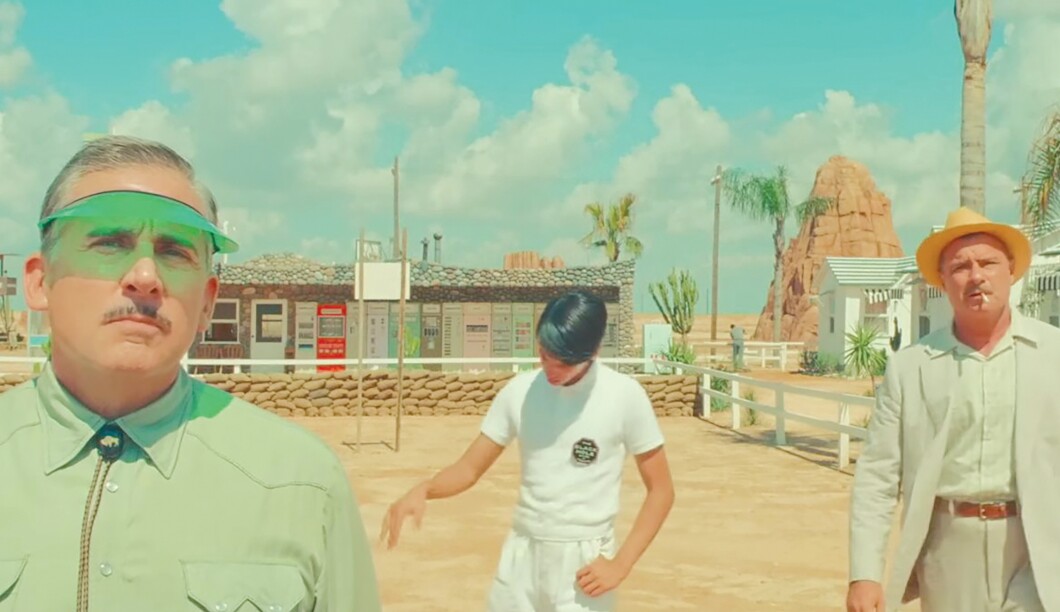
However, the biggest disappointment has to be Asteroid City. Ever since the slightly unexpected extreme success of The Grand Budapest Hotel, Wes Anderson seems to have done a Tim Burton and just become a parody of himself. Asteroid City has all the usual Wes Anderson visual trademarks and does look great, but lacks any kind of actual emotional investment in any of the characters, which is surprising as the main characters are a family who have experienced a recent tragedy. While the film-within-a-play-within-something-else concept is fine, but something extra is needed, and Asteroid City was all surface and no emotional core to hold it together. It does seem that Wes Anderson only now cares about screen time for as many famous names as possible instead of any actual focus on emotional engagement.
Another Good Year for Cage Rage
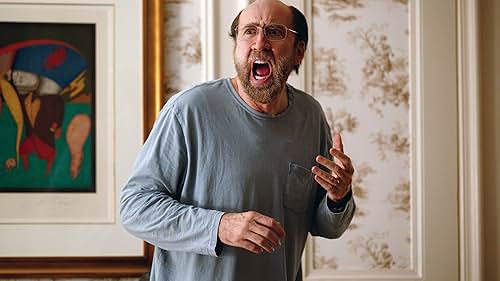
After a lengthy spell in the doldrums turning up and looking very bored in awful straight to DVD films, Nicolas Cage and his ‘unique’ style of acting seems to have well and truly gone through a deserved renaissance of late, with his often excessive and over the top style now being the actual intentional centre piece of that film. While there was straight to DVD fodder like The Old Way, The Retirement Plan and Butcher’s Crossing that were not so memorable, there was the likes of Sympathy for the Devil and Renfield in which any other actor would be rightfully slated for giving such an unnecessarily over the top performance and delivering lines in some very bizarre and unusual ways, but it is now not only something we expect from Nicolas Cage, but also embrace. The pinnacle of this has to be the absurdist dark comedy Dream Scenario; it well and truly it feels like that film was made for Cage, and it would be impossible to even comprehend the possibility of any other actor playing the leading role.
The Best Unintentional Comedy: The Pope’s Exorcist
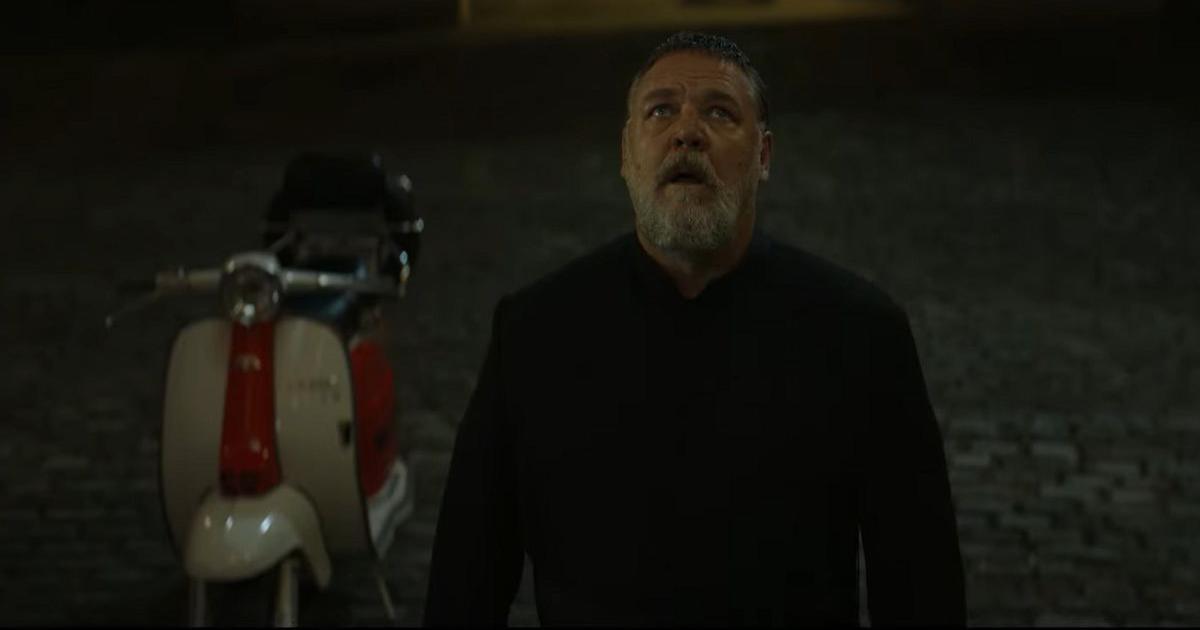
This wannabe franchise starter about a real-life character named Father Gabriele Amorth, who was chief exorcist for the Vatican is a strange beast of a film. IMDB states ‘horror’ and ‘thriller’, but I would argue that it is neither, but yet it is outrageously entertaining. From watching the making of videos, it does seem like Russell Crowe was very much intending to make this character a slightly comic figure, and in a film that contains plenty of great lines of banter between Crowe’s Amorth and a local priest, Crowe’s Italian accent that would make Jared Leto blush, some outrageous scenes of Amorth riding a Labretta scooter whilst wearing shades, and also a girl that when possessed by a demon turns into Finchey from the office (one of the cleverest demons I know, certainly the cleverest demon you know!) makes for what has to be one of the funniest films of the year. Whether this was intentional or not, only Russell knows. Though best not to question that accent, or you may be accused of having ‘dead ears mate’!
The Worst Film of the Year: Winnie the Pooh: Blood and Honey
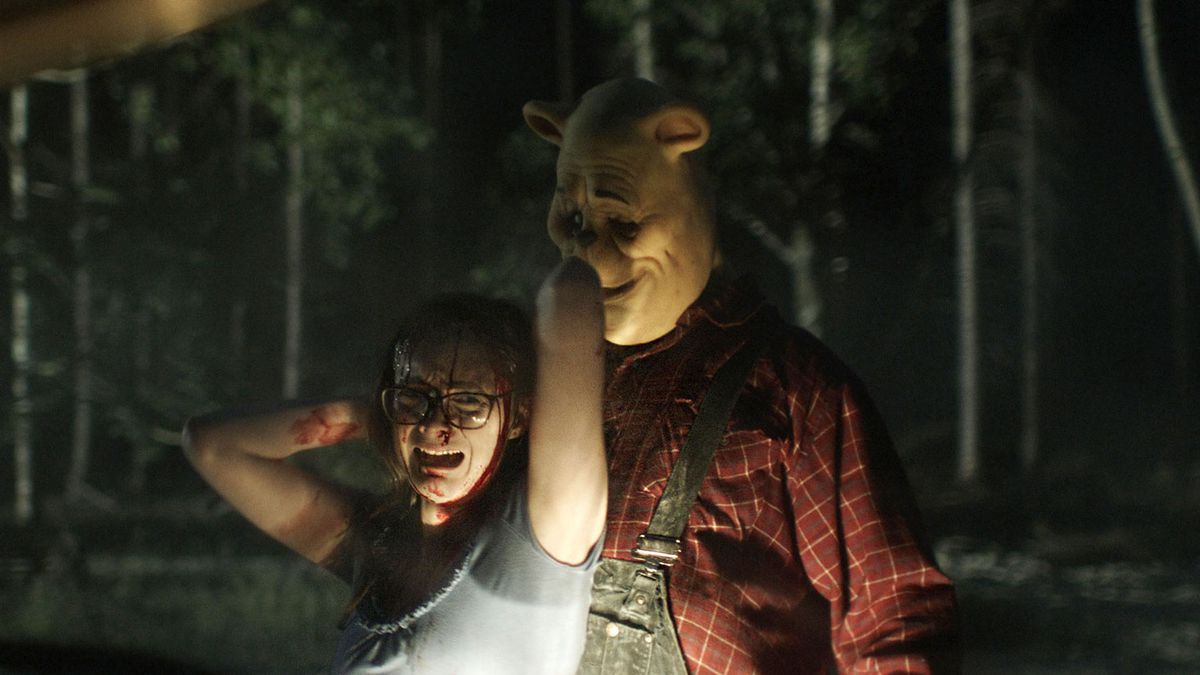
Like most people who are not professional film critics, there will inevitably be a huge number of films I will not see and like most people, I will intentionally avoid a vast majority of the very worst films mainly because life is too short. However, sometimes curiosity does get the better of me, and a (not so special) mention has to go to this horrific (but not in a good way) film that has to be by far the worst film that I have seen this year. Taking advantage of an expiry of copyright, the premise and indeed opening animated sequence that tells the story of our beloved loveable characters from the 100 Acre Wood going feral and embarking on a bloody, murderous rampage as revenge for being abandoned by Christoper Robin is just awful and an insult to filmmaking on all levels. Some films are so bad they are good, and are entertaining on some level, but Blood and Honey is just so bad, it is just bad. Whilst watching this horrendously horrific piece of anti-cinema, it almost feels like one’s IQ decreases whilst watching.
The Most Overrated Films

Return to Seoul was adored by critics, but I cannot for the life of me understand why. Whilst air born bacteria would understand that the character is slightly conflicted and troubled by the fact that she struggles to find her own identity because she was born in South Korea, but brought up in France by adopted parents, but that in no way justifies any of her actions in the narrative, which in itself is often painfully slow, episodic and unjustifiably random. Unlikeable protagonists are fine if they are interesting or there is a justifiable reason for their actions, but the protagonist of Return to Seoul is just nasty, bitter and horrible. Spending two hours in her company at the cinema was a horrendous experience that I would not wish on my worst enemy. Joyride actually contained some similar themes, and was actually quite good fun – I would recommend that over this drivel.
While the passion in Steven Spielberg’s semi-autobiographical love letter to cinema The Fablemans was obvious, this seemed to be enough for many critics to go all dewy-eyed over it, but for me it was severely let down by messy and often incoherent plotting that at times felt unnatural and forced, creating a film that was overall lacking genuine emotional engagement.
Saltburn was a perfectly watchable film with some mildly amusing dark humour, some very predictable ‘plot twists’ and also happened to contain a few unnecessary scenes that were just weird for the sake of it. However, I would regard this story of a working-class Oxford student invited to spend summer at the home of an upper-class student as overrated because somehow it has prompted extensive discussion and been labelled ‘the most divisive film of the year’. An average film like this does not deserve such discussion or attention. Watch. Enjoy. Move On.
While any film that encourages bums on seats at cinemas is of course a good thing, it causes me great pain that it was such an utterly average film like Barbie. Due to the fact it is about the world’s most famous doll was enough marketing to make sure this was a huge box office hit irrespective of the fact that it was released at the same time as a vastly superior film. Its huge global success as probably be inevitable, but the fact it seemed to be consistently rave reviews should only be interpreted as a damning indictment of humanity and is no way a credit to those involved. While Ryan Gosling does deserve credit for a hilarious performance that often elevates very lacklustre material, the film itself is the usual smug/ preachy/ self-aware tone that is a trademark when Gerwig / Baumbach combine and the result is a perfectly watchable film that includes plenty of mildly amusing moments, but often relies on very lazy, mildly sexist and tiresome jokes about the ‘patriarchy’, and is in no way near as clever as it thinks it is, and contains a painfully slow final third that is too sentimental and it over exaggerates already over-exaggerated messages. Barbie just cannot compete on any level with The Lego Movie and now the hype is gone will hopefully be forgotten about very soon.
MY TOP 20 FILMS OF 2023
Usual rule applies to keep things nice and simple: the only criteria is for the film’s main UK release date to be in 2023. However, I cannot avoid my usual annual rant about how so many professional film critics who are lucky enough to be paid to watch films demonstrate how completely out of touch they are by including a huge number of films yet to be released in their annual ‘best of’ list, even though most of us mere mortals who have to pay to see films and have to wait for their general release will not have been able to actually see them.
Like so many film fans, j have inevitably for various reasons not been able to see all of the films that I would like to (i.e., I would always like to see as many films as possible), so some of the films that have appeared consistently in ‘best of’ lists that I have not yet seen include: All the Beauty & the Bloodshed, Alcarras, Pacifiction, Joyland, Typist Artist Pirate King, Love Life, Nostalgia, Wonka, The Killer, Maestro, Anatomy of a Fall, Reality
Other very noteworthy mentions that are certainly worth a watch: Blind Willow, Sleeping Woman, One Fine Morning, God’s Creatures, Blue Jean, Women Talking, John Wick: Chapter 4, Dungeons & Dragons: Honour Among Thieves, Guardians of the Galaxy Vol 3, Bros, Hatching, Medusa, Brother, Afire, EO, War Pony, Talk to Me, Mission Impossible: Dead Reckoning Part 1, Cairo Conspiracy, Dream Scenario, Mind-Set, Fremont, Smoking Causes Coughing, The Innocent, Full Time, The Damned Don’t Cry
20. Holy Spider
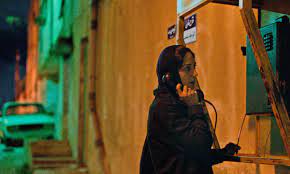
Based on a true story about a serial killer in the city of Mashhad, Iran, who murdered 16 prostitutes, Danish based Iranian director Ali Abbasi’s brutal film is not only a genuinely tense and gripping crime drama, but also manages to skilfully balance this with incorporating some very prevalent and topical political themes about modern day Iranian society. It may overall provide more questions than answers, but with questions so complex, that seems appropriate and fitting.
19. Enys Men
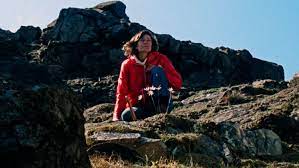
While Cornish auteur Mark Jenkins’ debut Bait was critically adored and (in my opinion) very overrated, his follow up is a far superior and complete film for all the senses. Whilst its almost complete reliance on visuals may alienate some, this story of a wildlife volunteer living on an otherwise uninhabited island off the Cornish coast who embarks on a dark psychological journey whilst observing a rare flower is one of those films that provides the greater reward the more effort the viewer puts into the experience. This is clearly not a narrative to be taken literally, and to try to decipher what is real and is not may well miss the point (or does it?), but like with the films of Peter Strickland it is about the overall experience and the themes it incorporates, and this works on many levels. The deep history of Cornwall plays a clear part of the story (such as mining, fishing, tragedies at sea etc), but for those unacquainted with this unique part of England, Enys Men (meaning stone island) is a visually ravishing film that works on multiple levels.
18. Saint Omer
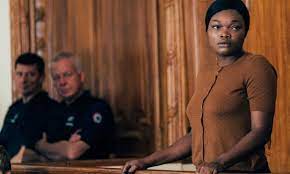
This French courtroom drama based on a true story about a Senegalese immigrant accused of murdering her 15-month-old daughter is often harrowing, but deeply gripping, it is brimming with ideas and questions, but suitably avoiding providing any answers. To add to the complexity of the plot, the main character is Rama, a pregnant novelist who intends to adapt the story of the accused to a modern day telling of ancient myth of Medea. This narrative approach adds an extra layer of intrigue and complexity to an already complex story. The accused does not deny murdering her child but cites a curse as the reason. As the trial plays out, Rama sees increasing parallels between her life and the accused, and it leads to a deeply compelling and unforgettable story on many levels that is harrowing, complex and thought provoking.
17. Amanda
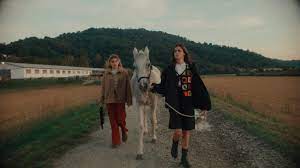
This surrealist Italian comedy about a 25-year-old who returns home after studying abroad to her dysfunctional bourgeois family and struggles to find any kind of friendship or indeed purpose in life is a darkly comic delight. With its luscious cinematography and dialogue that involves all characters pretty much exchanging biting insults with one-another, Amanda is an absolutely wonderful and often hilarious film to watch. None of the characters are particularly likeable on the surface, but despite the obvious playful criticism of the wealthy classes of western society, there is still a relatable quality within them that makes sure the narrative is involving. Thanks to social media, the world seems to be becoming an increasingly lonely and isolating place to be, and Amanda manages to depict that with the perfect balance of nuance and dark humour – we may hate these narcissistic characters, but as much as we may hate to admit it, we can relate to their deep feelings of loneliness.
16. Law of Tehran
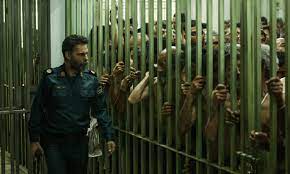
Saeed Roustayi’s extremely tense and brutal crime thriller regarding the relentless hunt for a Tehran drug kingpin grips tightly from start to finish. Though it may contain a few inevitable genre cliches to be expected from this kind of narrative, the setting of Tehran and what that entails in terms of individual’s life choices and the potential consequences provides unique and genuine tension that is on a different level compared to a Western setting. As the stakes increase as the narrative goes along, so do the extreme for complexities involved in the choices made by characters on both side of the law (some intentionally absurd), but thankfully Roustayi manages to skilfully avoid any kind of preachiness, so the audience are left to answer some of the big questions themselves.
15. Oppenheimer
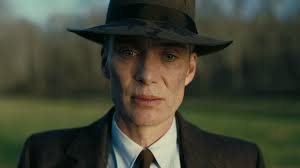
It is certainly flawed, it is definitely not one of Christopher Nolan’s best films and there are undoubtedly question marks whether the three-hour running time is justified, but despite this Oppenheimer was still essential viewing (on its own, without any other particular film about a doll before or after as part of a double bill). This three-tiered story about the development of the atomic bomb may have certainly been better if it ditched one the three main stories about Robert Downey Junior’s character and instead paid more focus to develop some of the other characters in the protagonist’s life in a cast list that would make Wes Anderson envious. However, Christopher Nolan has surely been for many years the patron saint of the big screen experience, and for all of its many narrative flaws, it was still extremely watchable and featured many great moments, and there is no denying that from an aesthetic point of view, Oppenheimer was pure cinema and its creative ambition and panache had to be equally applauded and experienced.
14. Infinity Pool

While the wealthiest in society have always been a target of ridicule in cinema (especially recently) Cronenberg Junior (Brandon) seems to be following in his father’s footsteps with increasing ease (but without just copy and paste) to bring us something that is as delightfully dark and sinister and just that little bit edgier than most directors would dare to bring to us. Told through the eyes of failed novelist James (Alexander Skarsgård) who is involved in a fatal accident on a tropical island that leads to him becoming part of a sinister and hedonistic subculture filled with disgustingly wealthy and morally corrupt individuals that go to increasing extremes to get their kicks, Infinity Pool goes to dark psychological places the likes of Saltburn are scared to venture to. It is a nasty and violent ride, but also told with the usual visual intoxication and playfulness we would expect from a Cronenberg film (junior or senior) and he makes sure to skilfully avoid these characters just being two dimensional figures of hate, and we the audience cannot help but also indulge and enjoy in the sometimes horrific extremes these people go to.
13. Scrapper
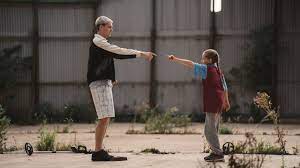
Though its entire plot follows a predictable trajectory and does rely on one huge plot contrivance, for those willing to embrace this in Charlotte Regan’s tale of a 12-year-old girl who lives alone in a London flat whose estranged father turns up into her life trying to reconnect is a genuinely uplifting experience. Despite the potentially bleak setting of a London council estate, Scrapper proves that stories about working class characters can still be filled with optimism and joy. Though the harsh reality of life is an ever-present element of the narrative, it is told with genuinely uplifting energy thanks to some inventive visual techniques that reflect the creative imagination of its young protagonist, luscious cinematography and some great central performances. There are not many films that are guaranteed to leave a smile on your face, but Scrapper is one of them.
12. Spider-Man: Across the Spider-Verse
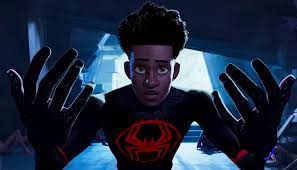
The so-called MCU and DCEU seem to be in general decline in terms of the quality of their output, but Spider-Man: Across the Spider-Verse somehow manages to be even better than its predecessor to combine stunning visuals, along with genuine great storytelling and emotional involvement that puts the live action superhero films to complete and utter shame. Though the initial plot premise of the multi-verse and many, many versions of Spiderman could have easily descended into a chaotic and alienating narrative (like with the MCU), in this case it is undoubtedly slightly bonkers, but crucially has at its core a genuinely engaging protagonist’s journey that contains actual jeopardy (a rarity in so many superhero films these days). This combined with some great humour and stunning animated visuals produces a truly incredible film that surely sets a high bar that all other superhero films (animated or live action) must aspire to.
11. Close
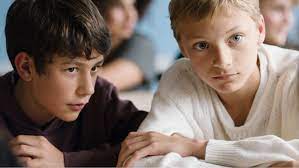
Lukas Dhont’s quietly devastating story of two thirteen-year-old best friends, whose closer-than-brothers friendship is tested to the limit when they both start secondary school lingers for a very long time in the subconscious and is a story we can all relate to as (like with 2022’s Playground) is a stark reminder of just now unforgiving and brutal school life can be. Context is the key to a story like this, and within the context of the lives of the two protagonists, when they enter secondary school and the pressures of now being teenagers and the influence of their classmates (let’s face it, generally speaking, teenagers are rather horrible) they are forced to make what they consider at the time to be life-changing decisions. On the whole Dhont manages to avoid the narrative descending to melodrama, and though the final third does drag a bit as he seems to struggle to find an ending, Close remains a deeply heartbreaking reminder that most of the time real life does not have happy endings.
10. Passages
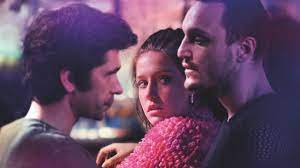
Ira Sachs’ latest is as real and brutal a depiction of the complexities of relationships as anyone is likely to see in the cinema and is all the more infinitely rewarding for it. The premise is seemingly quite basic, as a love triangle emerges when one of a gay married couple (Ben Whishaw and Franz Rogowski) begins a passionate affair with a young woman (Adèle Exarchopoulos), but the results are emotionally tumultuous for all. Passages is a deeply compelling and engaging story for all, as it involves such relatable and complex characters, sometimes our decisions are seemingly completely irrational and solely motivated by passion and emotion, no matter the consequences who else we hurt in the process. Passages is a perfectly raw portrayal of this and proof that life is rarely as simple as we would like it, and often loneliness is an inevitable consequence of our choices.
9. 20 Days in Mariupol
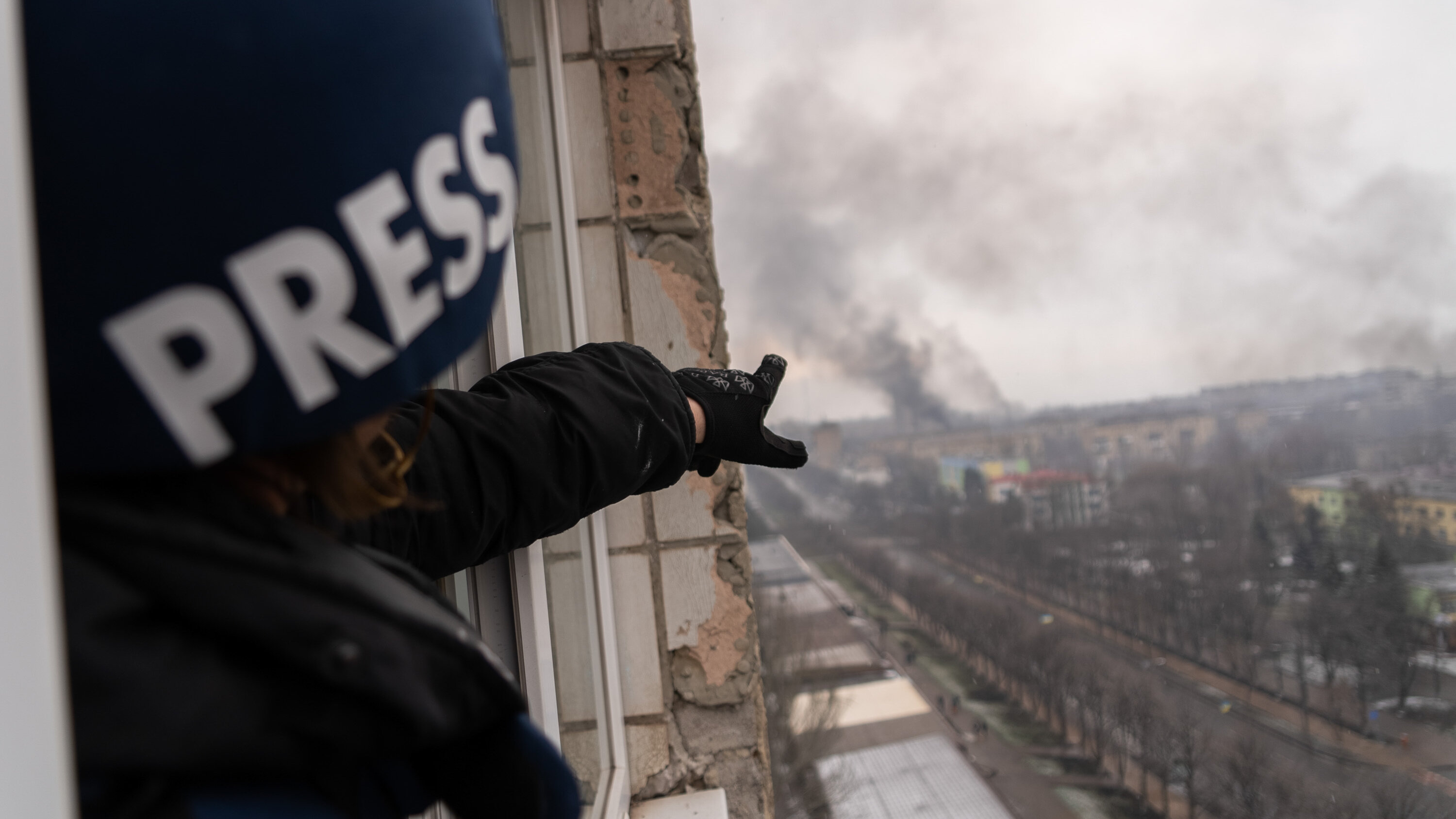
It is pretty much impossible to praise or criticise Mstyslav Chernov’s documentary about the first 20 days of Russia’s invasion of this Ukrainian city in terms of its cinematic or technical aspects, it is quite simply beyond such seemingly shallow subjects. The footage covered by Chernov and his colleagues as they constantly risked their lives to not only film it, but make sure it was sent to the global media to show what was really happening is certainly a tale of extreme bravery, but Chernov makes sure that the main focus is on all of the innocent victims. 20 Days In Mariupol is horrific, but essential viewing.
8. Godland
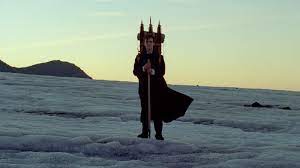
Hlynur Pálmason’s story of a Danish priest sent to a remote part of Iceland in the 19th century to build a new church is a deeply visceral film, with the rugged and unforgiving landscape being very much an integral character of the narrative as the film’s central protagonist embarks into an apparent descent into madness as he starts to question everything that he once firmly believed in. Not only is it a visually stunning film, and despite being filmed in a narrow screen ratio the scenery is immersive, expansive, isolating and threatening. This combined with an array of characters that demonstrate the deep flaws and complexities of the human condition, at 143 minutes Godland certainly requires effort and input from the viewer, but those willing to make this effort will be infinitely rewarded by a film that consists of so many themes and ideas.
7. Tár
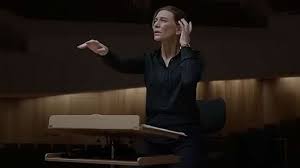
Though it may have been released at the beginning of 2023 as part of the annual awards season, Todd Field’s stunning cautionary tale and character study still leaves a huge imprint in my mind. With an exceptional performance from Cate Blanchett in the titular role, this story of a woman that seemingly has it all and is at the peak of her powers who pushes too far and begins an inevitable downward spiral has a suffocating grip from start to finish (despite a running time of 158 minutes) that refuses to let go. As the protagonist only seems to unwittingly exacerbate her own fall from the very top, Tár is a brutal reminder that success is a very fickle and delicate thing, but also due to the nature of modern society and the many flaws of human nature, we are all one wrong move or one sentence out of place away from total personal annihilation.
6. Killers of the Flower Moon
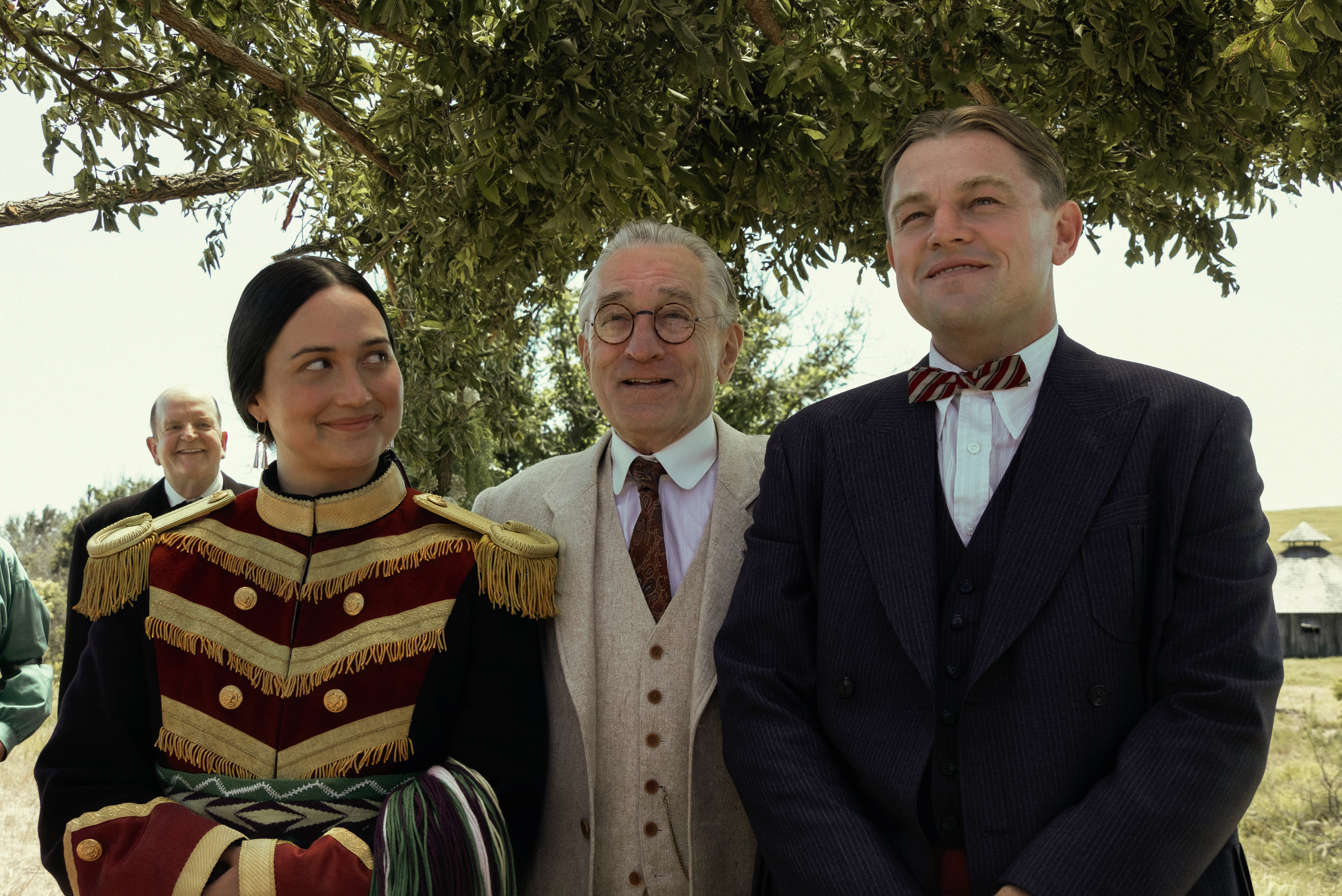
When someone has a filmography like Martin Scorsese, he has very much earned the right to make whatever films he wishes as he enters what is inevitably the twilight period of his career. Whilst The Irishman struggled to justify its extensive running time, Killers of the Flower Moon is very much a superior film and late-career masterpiece that justifies its seemingly bum-numbing running time of 306 minutes. It is easy to be put off by such a daunting running time, but when watching this epic masterpiece, it is genuinely justified as it is a very important story to tell and is told at an appropriate pace. This may well be the last great Robert De Niro performance we ever see, and he is on the form of his life in a performance of great understated but yet unsettling menace. With a running time like that, some effort is required, but the pace is justified, and the film just grips ever more as the plot develops. Scorsese, De Niro and DiCaprio are three absolute titans of cinema, and to see all three together on such top form, telling such a powerful true story is a must see for all cinema connoisseurs.
5. Fallen Leaves
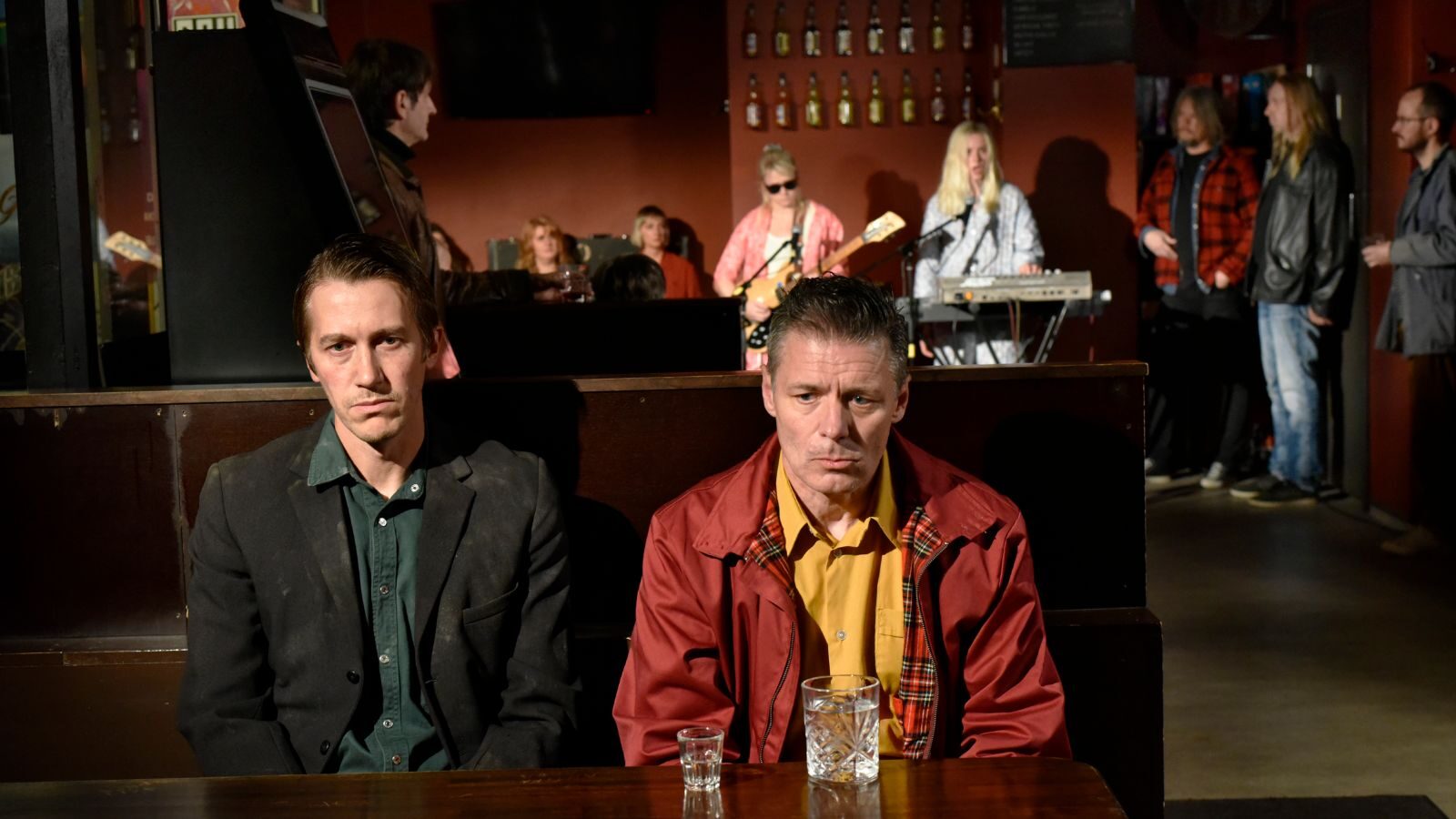
In terms of its narrative, Aki Kaurismäki’s latest may not be any different to your average mainstream rom com, as it is about a man and a woman that clearly like each other when they first meet by chance, but due to various reasons they never seem to be able to get together. However, thanks to the trademark Finnish humour that is dryer than the desert sand and Kaurismäki’s unique set design and camerawork, Fallen Leaves is an absolute deadpan delight. The emotion is still very much there, as the obvious loneliness felt by the seemingly chalk and cheese protagonists is depicted in the director’s trademark subtle way and often very snappy dialogue. Visually Fallen Leaves is also a feast for the eyes (but without ever detracting from the narrative’s emotional core), thanks to the lighting, set design and camerawork, every shot is a thing of subtle (and often humorous beauty) that deserves repeat viewings.
4. Marcel the Shell with Shoes On

Despite a premise that risks the potential of being extremely twee and schmaltzy, this wonderful tale about a mollusc shell (called Marcel who does indeed have shoes on) who lives in an Airbnb with his Grandmother and dreams to be re-united with his family of shells who were separated from him due to a mysterious tragedy is one of the most genuinely heartwarming and uplifting cinematic experiences of recent years. While Marcel is inevitably very cute, thanks to him finding some very inventive ways to get by on his own and also thanks to a great script that makes sure he is not afraid to deliver some extremely witty put-downs or criticisms to his human friend who helps him, the film never descends into two-dimensional schmaltz. Though the narrative may contain some inevitable contrivances, it is impossible to have a dry eye as it reaches its conclusion, and the most heartbreaking thing about the film is when it finishes there is the inevitable return to the misery of reality.
3. Past Lives

Less can often indeed be more when it comes to telling a powerful story, and Celine Song’s story of lost and reconnected love is at times emotionally devastating due to just how wonderfully understated it is. It is the simplest of stories regarding two former childhood friends who were separated when one had to move from South Korea to the United States and then re-connect twenty years later, but the emotional power does lie in its simplicity. Thankfully this is not based on a Nicholas Sparks book, and so there are no patronisingly cardboard cut-out heroes and villains to either love or hate, this is a narrative of nuance, that just has coincidences and consequences that have to be navigated by complex and relatable characters. When watching Past Lives we inevitably are both deeply involved in the character’s own circumstances, but also cannot help but think of our own lives and how those seemingly small moments had infinite and everlasting consequences, but that we have to just accept them and their significances. Sometimes in cinema complete subtlety can be emotionally devastating, and Past Lives is a perfect example of this.
2. Sick of Myself

Kristoffer Borgli’s dark comedy about two extreme narcissists in a destructive relationship who constantly compete to be the centre of everyone’s attention is a hilarious delight from start to finish. When her artist boyfriend suddenly finds success, Signe (Kristine Kujath Thorpe) goes to extremes to once again be the centre of attention with some unexpected and genuinely horrifying consequences. However, despite some elements of the plot being perhaps a little extreme, there is a still a huge element of relatability to the protagonist’s motivations, as in this social-media dominated age it seems people are becoming increasingly this way. The trademark Scandinavian dark humour that is often enhanced by dream sequences (not to mention one of the more hilarious and disturbing sex scenes of recent times) makes sure to keep things entertaining, but Sick of Myself is also an extremely pertinent reminder of the extreme vanity and deep flaws of humanity that have only seemed to have increased in recent times.
1. The Eight Mountains

While the running time of 147 minutes and slow pace may put off some, those willing to embrace this epic Italian film that tells the deep friendship between two individuals over four decades will be infinitely rewarded. As the title suggests, The Eight Mountains is a visually stunning and deeply cinematic experience with breathtaking scenery that is very much a character in its own right, but within this expansive and endlessly open setting is also a very intimate and personal story about that very basic and relatable theme: friendship. Like any deep friendship, the story of Pietro and Bruno is very complex, often because of their very relatable flaws and the problems in their individual lives. However, throughout its entire 147 minutes, The Eight Mountains never puts a foot wrong and is one of the most emotionally and visually rich films of recent years that leaves a deep emotional mark that stays there for a very long time.


